
Her Cycles | When did period pain become normalized?
Oct 20, 2026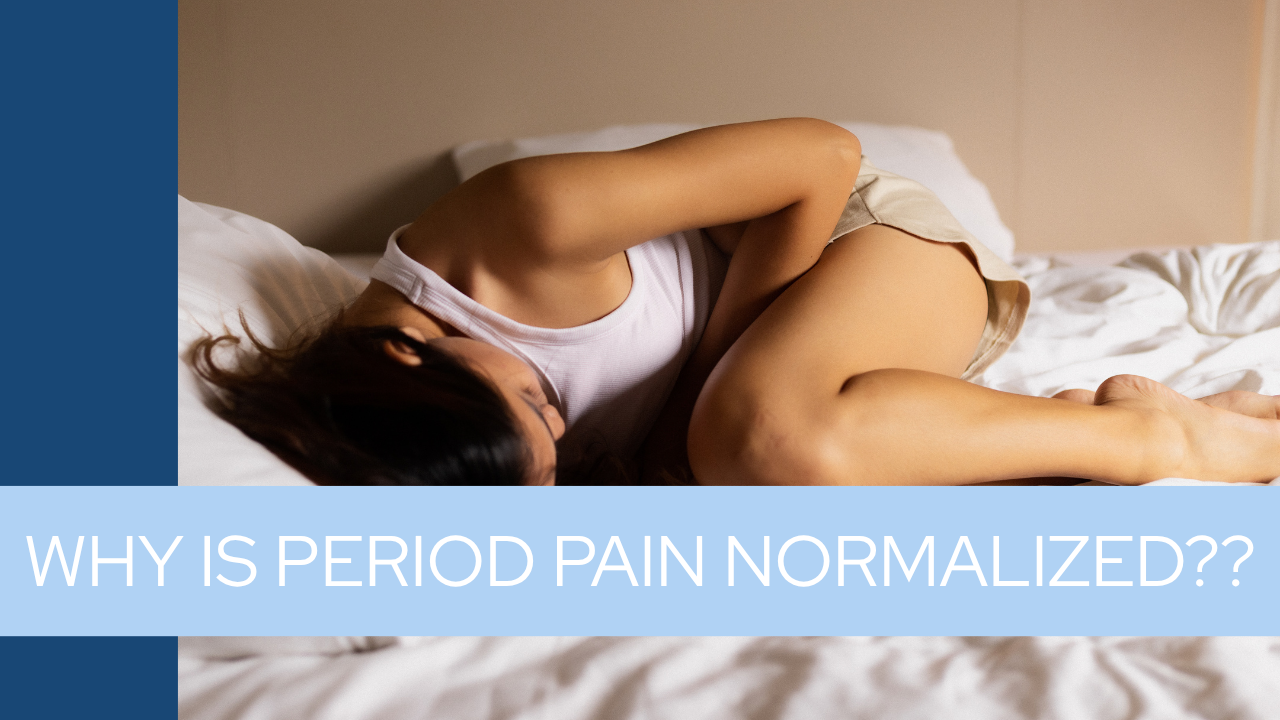
For a lot of girls, the lesson starts with their very first periods: periods hurt.
You get cramps, you take some ibuprofen, maybe grab a heating pad, and you carry on. If it hurts a lot, well, some women just have bad periods. Your mom had them too. Maybe your sister does. Maybe all your friends complain about cramps. Eventually, being in pain for a few days every month starts to seem like one of those unfortunate but unavoidable parts of having a uterus.
But there’s a pretty big range between “I can feel my uterus contracting” and “I can’t function normally for several days every month,” and we haven’t always done a great job of teaching women the difference.
Some discomfort during menstruation is common. When your period begins, compounds called prostaglandins help your uterus contract so it can shed its lining. Those contractions can cause cramping, particularly during the first day or two of bleeding. Prostaglandins can also affect the gastrointestinal tract, which helps explain why cramps sometimes come with nausea, diarrhea, or the delightful phenomenon we all know as period poops.
For some women, those symptoms are annoying but manageable. You might need an anti-inflammatory medication or a heating pad, but you can still go to work, go to school, exercise, take care of your kids, and generally participate in your life.
That’s very different from pain that regularly stops you from functioning.
If you’re missing work or school every month, vomiting from pain, nearly passing out, unable to sleep, spending hours curled up with a heating pad, or planning your life around the days you expect your period because you know you won’t be able to do much, that deserves a closer look. So does menstrual pain that has become significantly worse than it used to be.
The problem is that women can live with symptoms like this for years before realizing they’re worth bringing up. When pain has always been part of your period, it becomes your normal. If the women in your family also had painful periods, that can reinforce the idea that this is simply how your family menstruates. And when the broader cultural message is basically, “Yep, periods suck,” it’s not surprising that a lot of women never think to ask whether there might be more going on.
There are several reasons periods can be particularly painful. Sometimes it’s primary dysmenorrhea, which is the medical term for painful menstruation that isn’t being caused by another pelvic condition. Higher prostaglandin activity can contribute to stronger uterine contractions and more pain, and for some women those cramps can be significant.
Other times, painful periods can be connected to conditions such as endometriosis, adenomyosis, uterine fibroids, ovarian cysts, pelvic inflammatory disease, or other gynecologic issues. That doesn’t mean having bad cramps automatically means you have one of these conditions. It means pain has context, and severity, timing, other symptoms, and changes over time can help determine whether further evaluation makes sense.
Endometriosis is an especially important example because pain has been so normalized around menstruation. Women with endometriosis may spend years being told their painful periods are simply part of being a woman before eventually getting an explanation for what they’ve been experiencing. Symptoms can include severe menstrual pain, pain with sex, pain with bowel movements or urination around the time of a period, chronic pelvic pain, and fertility problems, although not everyone has the same symptoms or the same level of pain.
This is one reason “How bad is the pain?” isn’t always the only useful question. We also want to know what the pain is doing to your life.
Can you go to work? Are you missing school? Can you sleep? Are you cancelling plans every month? Do you avoid sex because it hurts? Are you taking more medication than you used to just to get through your period? Has the pain changed? Do you have pelvic pain at other times of the month?
Those details give your provider much more information than simply saying, “I have bad cramps.” And you don’t need to decide for yourself whether your pain is officially bad enough to count. If it concerns you or interferes with your life, it’s worth bringing up.
Heavy bleeding can be part of the picture too. Painful periods accompanied by very heavy bleeding, large clots, bleeding that lasts longer than expected, or symptoms of iron deficiency deserve attention. If you’re soaking through menstrual products quickly, needing to double up on protection, regularly bleeding through clothing or bedding, or becoming exhausted and short of breath around your period, tell your provider what is actually happening rather than simply saying your periods are “heavy.”
There’s also a difference between having painful periods since you were a teenager and developing new or significantly worse menstrual pain later in life. New symptoms give us information. If your periods were manageable for years and suddenly became much more painful or heavier, that change is worth discussing rather than assuming your body has simply decided to make periods worse now.
None of this means a period should be completely sensation-free. We don’t want women panicking because they have a day of cramps and wondering whether something is wrong. Bodies contract. Hormones shift. Menstruation can come with some discomfort.
What we want to change is the assumption that because period pain is common, there’s no point talking about it.
We also want women to know that seeking an explanation doesn’t mean you have to suffer while you wait for one. There are ways to manage menstrual pain, and what makes sense depends on the cause, your medical history, how severe your symptoms are, and your preferences. Anti-inflammatory medications can be helpful for many women because they reduce prostaglandin production. Hormonal medications can also reduce menstrual pain for some people, and other treatments may be appropriate when an underlying condition is identified.
The goal isn’t to prove how tough you are by getting through another period. It’s also not to convince you that every cramp is a medical problem. It’s to give you a better idea of when something that has been treated as “normal” might actually deserve more attention.
We’d love girls to learn that distinction from the beginning. Yes, periods can come with cramps. No, being incapacitated for several days every month isn’t something you should automatically expect from your body. And if something about your period is interfering with your ability to live your life, you’re allowed to ask why.
Maybe the better question was never whether period pain is normal. Maybe it’s whether we’ve gotten a little too used to women being in pain.
– Dr. Liane + Lena
Wondering What Your Period Is Trying to Tell You?
Your period is one part of a much bigger cycle, and changes in your pain, bleeding, timing, and other symptoms can give you useful information about what’s happening in your body.
Inside Her Cycles, we’ll help you understand what happens throughout your menstrual cycle, recognize your own patterns, and know which changes are worth paying closer attention to. Not so you can obsess over every period, but so you don’t have to assume that suffering through it is simply part of being a woman.
– Dr. Liane + Lena
Explore Her Cycles and start making your body make sense.
Ready to jump in and become a part of the conversation your body is already having? Learn to translate your symptoms, and get access to all the extras from Dr. Liane and Lena, with the HealHer Membership.
Become a Founding Member today!
