
Her Adrenals | Why am I so burnt out?
Jul 19, 2026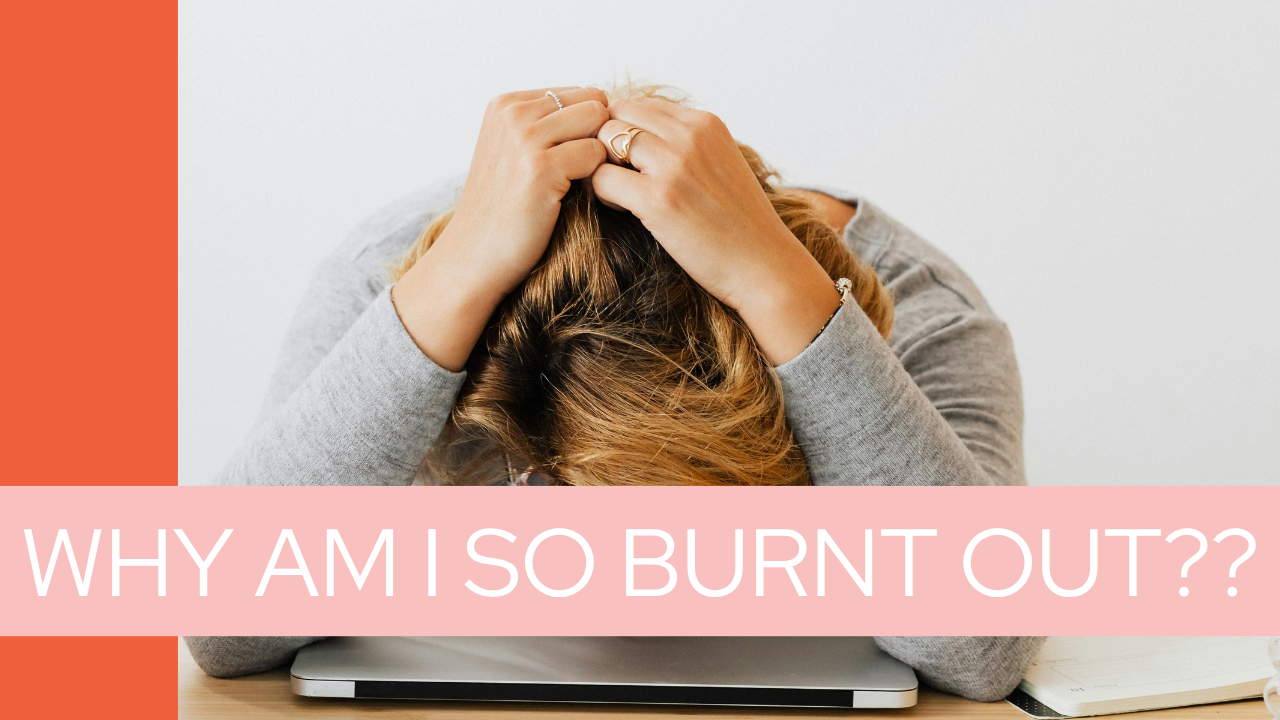
When women tell us they're exhausted, they're usually talking about something much deeper than needing another cup of coffee.
They're talking about waking up tired after what should have been a full night's sleep. They're dragging themselves through the afternoon only to find they're suddenly wide awake at bedtime. The workouts that used to make them feel stronger now leave them depleted, and no matter how healthy they eat or how hard they try, they don't feel like they're recovering.
If that sounds familiar, you're not alone. And one of the systems that often deserves a closer look is your adrenal system.
Your adrenal glands are two small glands that sit on top of your kidneys, but they play a big role in how your body responds to stress. Together with your brain, they're part of a sophisticated communication network designed to keep you alive. They produce hormones like cortisol and adrenaline, helping you respond to challenges, regulate your energy, and adapt to whatever life throws your way.
The interesting part is that your body doesn't distinguish very well between different kinds of stress.
Whether you're running late for work, skipping meals, planning a wedding, caring for an aging parent, lying awake worrying about finances, training for a marathon, scrolling your phone until midnight, or navigating a difficult season of life, your brain receives the same message: Something isn't right. We need to stay alert.
Thousands of years ago, stress usually had a beginning, a middle, and an end. You escaped the danger, recovered, and your body settled back into balance.
Today's stress rarely works that way.
Instead, many women spend weeks, months, or even years carrying a level of pressure that never completely lets up. The inbox keeps filling, the responsibilities keep growing, and the mental load never seems to disappear. The threats have changed, but your biology hasn't.
You may have heard this described as "adrenal fatigue." While many women relate to that phrase, it's not the best explanation for what's happening.
Today, healthcare providers are more likely to talk about HPA axis dysregulation or allostatic overload. These terms describe changes in the communication between your brain and your adrenal glands after prolonged stress. Rather than your adrenal glands simply wearing out, your entire stress response system begins adapting to a body that has been under pressure for too long.
Your body isn't failing. It's adapting and it's telling you about it.
Those adaptations can look different from woman to woman. For some, it's stubborn weight gain around the middle. For others, it's intense sugar cravings, waking up at three in the morning, feeling wired but exhausted, depending on caffeine to function, or discovering that exercise leaves them feeling worse instead of better.
Those symptoms are frustrating, but they're not evidence that your body has turned against you. More often than not, they're signs that it's working overtime to protect you.
Unfortunately, this is the point where many women start blaming themselves. They assume they need more discipline, a stricter diet, a tougher workout, or simply more willpower. But for women living under chronic stress, the problem often isn't a lack of effort. It's that the nervous system no longer feels safe enough to shift out of survival mode.
Supporting your adrenal system isn't about forcing your body to work harder. It's about giving it reasons to believe the emergency has passed.
That starts with nourishment instead of restriction. Eating enough protein, fiber, healthy fats, and minerals, staying hydrated, and keeping your blood sugar steady all send the message that your body has the resources it needs.
Movement matters too, but so does choosing the right movement for the season you're in. If exercise leaves you feeling energized, wonderful. For many people, movement is one of the healthiest ways to process stress. But if every workout leaves you feeling completely depleted, that's valuable information. During times of chronic stress, walking, strength training with adequate recovery, swimming, Pilates, yoga, or stretching may support healing better than pushing yourself through another high intensity workout.
Sleep is another one of your body's strongest signals of safety. A consistent bedtime, limiting caffeine later in the day, creating a cool, dark sleeping environment, and reducing screen time before bed all help your nervous system recognize that it's okay to power down.
Supplements can also be helpful for some women. Magnesium, vitamin C, B vitamins, adaptogenic herbs, and targeted sleep support may all have a place depending on your individual needs. But supplements work best when they're supporting a foundation of nourishment, rest, steady blood sugar, and recovery, not replacing them.
Sometimes healing doesn't mean doing more. It means eating breakfast instead of skipping it, going for a walk instead of forcing yourself through another exhausting workout, turning your phone off a little earlier, or saying no to one more obligation so you can finally say yes to rest.
Those choices may seem small, but to a nervous system that's been living in survival mode for months or years, they're powerful reminders that the emergency has passed.
Your adrenal system has spent all this time trying to protect you. Now it needs to know that it's finally safe enough to recover.
– Dr. Liane
Ready to understand why your body feels stuck in survival mode?
If you've been living on caffeine, crashing every afternoon, waking up exhausted, or wondering why your body no longer responds the way it used to, Her Hormones: Adrenals was created for you.
Inside the course, Dr. Liane explains how your stress response actually works, what chronic stress does to the brain and adrenal system, and why nutrition, blood sugar, movement, sleep, and daily habits all play an important role in recovery.
The goal isn't to eliminate stress. None of us can do that. It's to understand how your body responds to it, so you can begin working with your biology instead of constantly fighting against it.
Because when your body finally makes sense, healing stops feeling like guesswork.
- Lena
Explore Her Hormones: Adrenals and start making your body make sense.
Ready to jump in and become a part of the conversation your body is already having? Learn to translate your symptoms, and get access to all the extras from Dr. Liane and Lena, with the HealHer Membership.
Become a Founding Member today!
